
The Kopp–Etchells Effect
By Bill | Mar 19, 2024
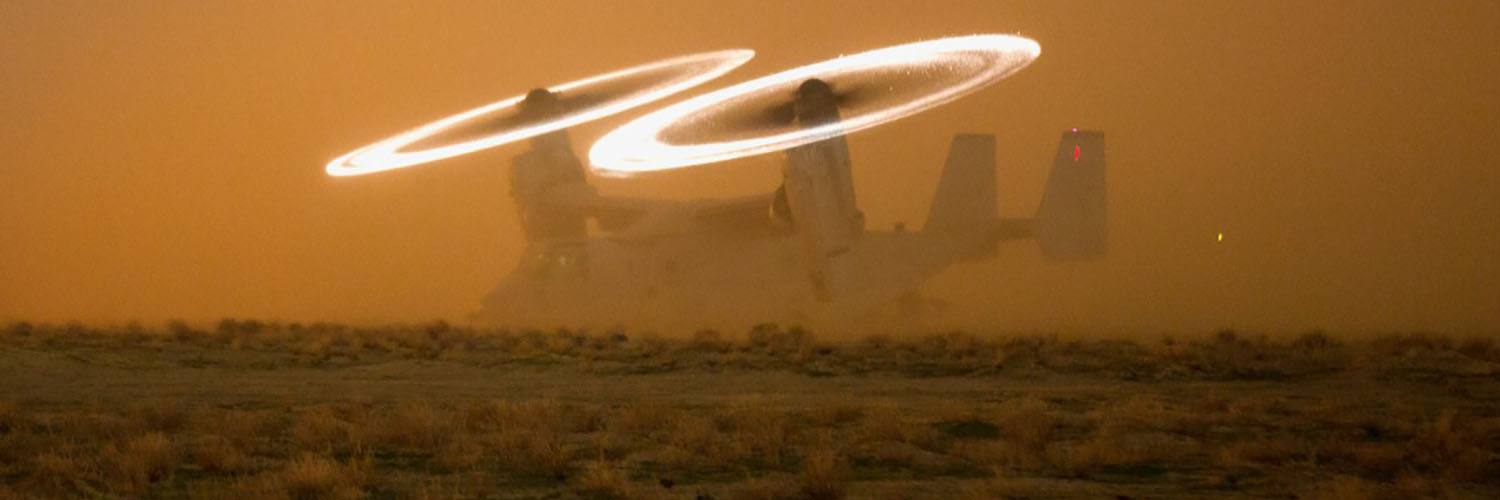
This impressive image, released into the public domain by the US Marine Corps, shows a good example of the Kopp–Etchells effect. Named in honour of two coalition servicemen lost in Afghanistan in 2009, this effect is what can happen when helicopters (and, in this case, tiltrotors) operate in sandy conditions.
Rotorcraft tend to have reinforcing strips along the leading edge of their blades, to resist impact damage. Also known as abrasion shields, these strips can lose tiny fragments of material when they hit airborne sand grains, and these fragments can ignite; if there's enough sand in the air, the results can be pretty impressive (doubly so, if you happen to be wearing Night Vision Goggles!).
Although pretty, this effect can be a significant operational issue: besides causing wear to the rotor blades, having enormous glowing disks above one's aircraft is commonly viewed as a sub-optimal sate of affairs when endeavouring to engage in more stealthy activities at night!
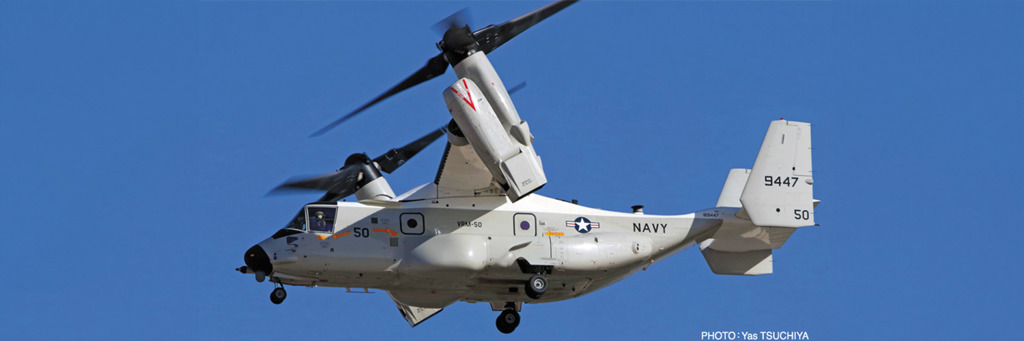
One suspects that recreating this effect might be a bit of a challenge for model-makers, but if anyone is game and needs stock of Osprey kits, we've got you. Click here (link opens in new window) for the current selection, or give your friendly Sales folk a call! Also, don't forget: orders over $500 currently qualify for free-shipping.